
Exploring Natural Compounds for Joint Health
Detailed information on key natural compounds traditionally valued for supporting musculoskeletal wellness and flexibility.
Turmeric Extract
Curcuma longa
Traditional Background: Turmeric, derived from the rhizome of Curcuma longa, is an ancient spice with a rich history spanning thousands of years in traditional wellness practices across multiple cultures. Particularly valued in traditional Asian and Ayurvedic systems, turmeric has been recognized for its potential to support overall well-being.
Composition: The primary active compound in turmeric is curcumin, which represents approximately 3-5% of the spice by weight. This polyphenol is studied extensively for its potential interactions with the body's natural processes.
Traditional Applications: Historically used to support comfort and maintain general wellness. Traditional preparations often incorporate turmeric into warm beverages and culinary applications.
Potential Benefits (Informational):
- Supports natural body processes
- Contributes to antioxidant activity
- Promotes general comfort and vitality
Glucosamine & Chondroitin
Natural Origins: Glucosamine and chondroitin are naturally occurring compounds found in healthy cartilage. They can be derived from natural sources such as shellfish shells (for glucosamine) and cartilage tissue (for chondroitin), making them substances that exist within the body naturally.
Structural Role: These compounds serve as fundamental building blocks in connective tissue. Glucosamine is particularly important in the synthesis of cartilage proteins, while chondroitin helps maintain cartilage's water content and resilience.
How They Work: These compounds support the body's own maintenance systems for connective tissue. They contribute to the structural integrity of cartilage and may help support the body's natural repair processes in joint tissues.
Potential Benefits (Informational):
- Fundamental building blocks for joint tissues
- Supports cartilage integrity
- Contributes to tissue resilience and elasticity

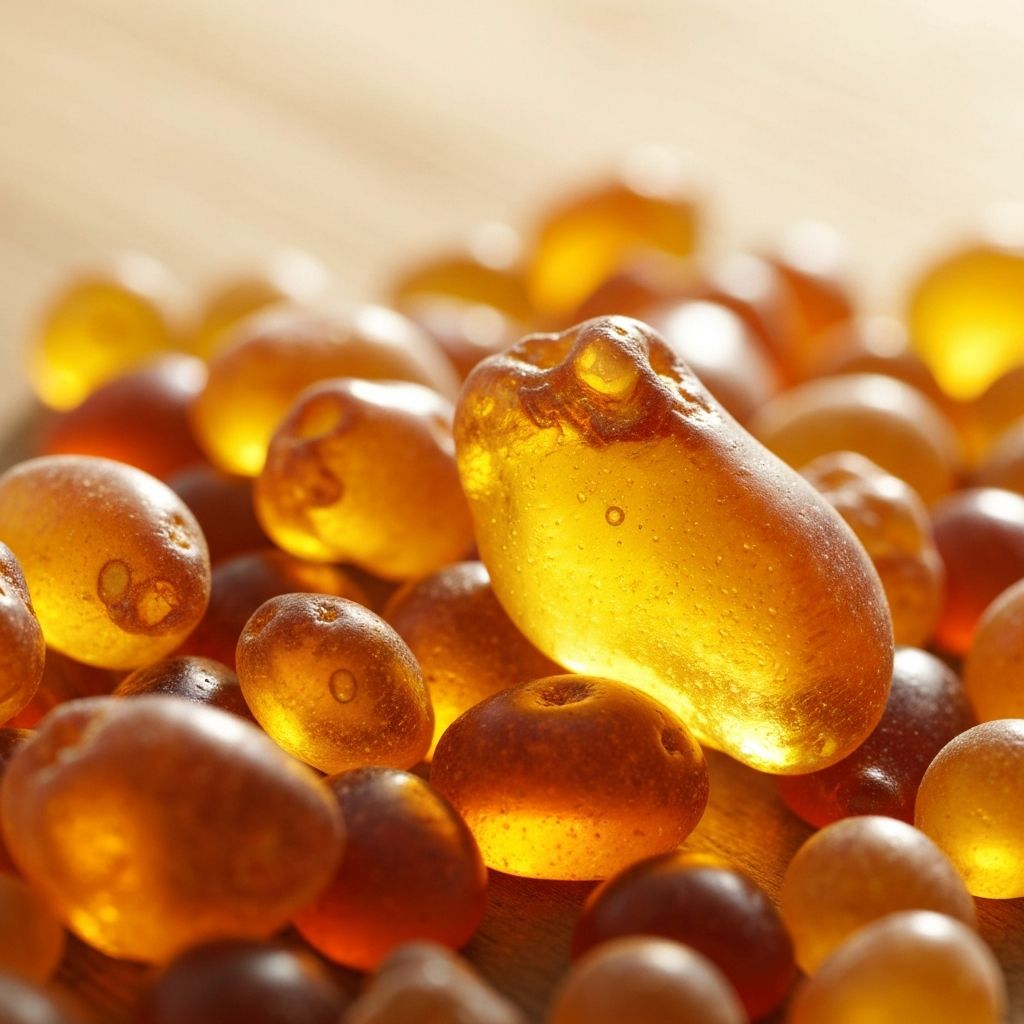
Boswellia Serrata Resin
Source: Boswellia serrata resin is derived from the bark of the Boswellia tree, native to parts of Africa, the Middle East, and India. This resin has been harvested and used in traditional wellness practices for generations.
Traditional Use: Boswellia has a long history in Ayurvedic and traditional Arabic medicine, where it has been valued for supporting musculoskeletal wellness and maintaining comfort in daily activities.
Active Components: The resin contains boswellic acids, a group of compounds that are believed to interact with the body's inflammatory response systems and support natural comfort processes.
Potential Benefits (Informational):
- Supports natural comfort and mobility
- Aids in body's response to physical activity
- Contributes to overall flexibility and ease
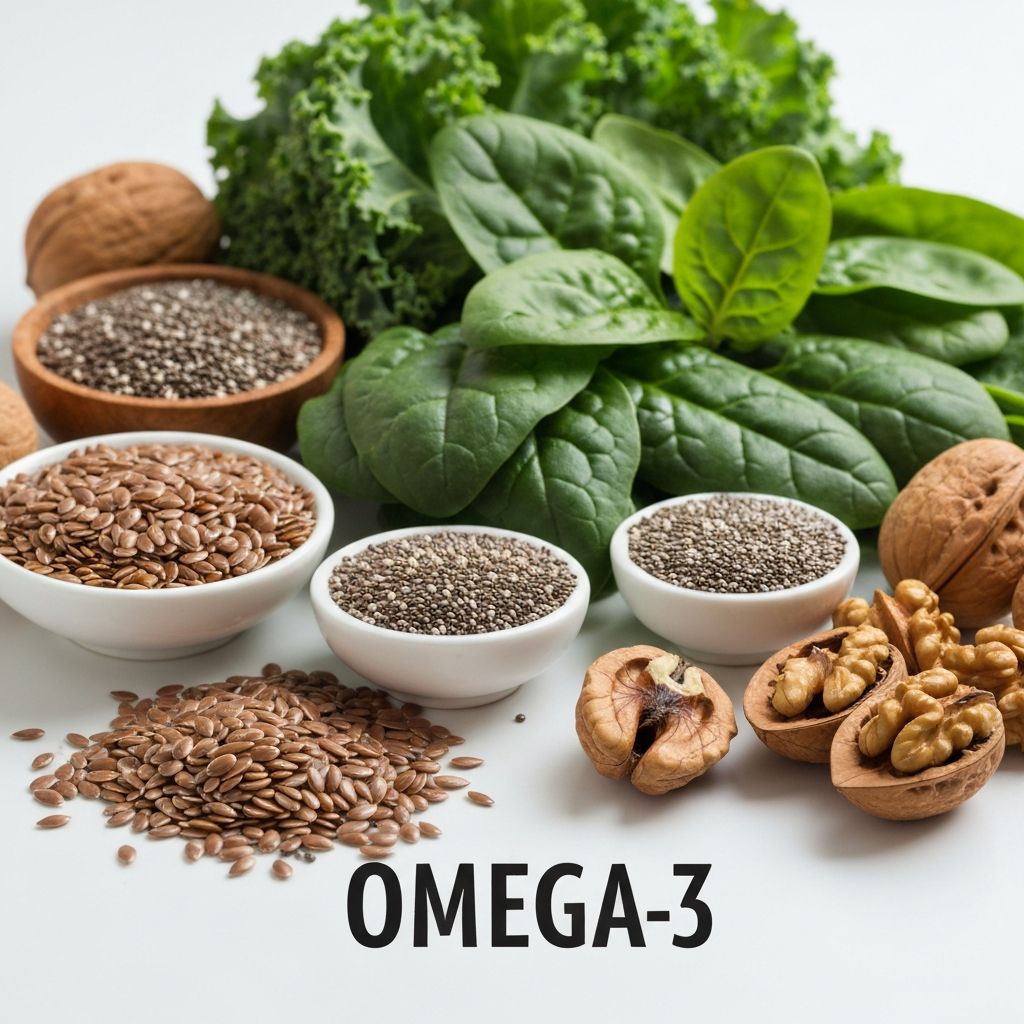
Omega-3 Fatty Acids (Plant-Based)
Plant Sources: Essential fatty acids from plant sources like flaxseed, chia seeds, hemp seeds, and walnuts provide valuable omega-3 content in a vegetarian format. These sources contain alpha-linolenic acid (ALA), which the body can convert to other omega-3 forms.
Role in Wellness: Omega-3 fatty acids play crucial roles in cellular health and systemic well-being. They contribute to the body's natural inflammatory response processes and support overall vitality.
Systemic Support: These essential fatty acids influence numerous biological processes, from cardiovascular health to cognitive function, making them vital components of a balanced diet.
Potential Benefits (Informational):
- Supports cellular health and integrity
- Contributes to balanced body functions
- Aids in maintaining systemic vitality

Methylsulfonylmethane (MSM)
Natural Occurrence: MSM is an organic sulfur compound found naturally in small amounts in various foods including fresh vegetables, fruits, and milk. Sulfur is an essential mineral present in every cell of the body, particularly concentrated in connective tissues.
Role in Tissues: Sulfur is a critical component of proteins found in cartilage, tendons, ligaments, and skin. MSM supports the body's natural synthesis of collagen and other structural proteins essential for joint integrity.
Functional Support: MSM is believed to support the body's processes for maintaining healthy connective tissue and may contribute to the overall structural resilience of joints.
Potential Benefits (Informational):
- Contributes to tissue health and integrity
- Supports structural protein synthesis
- Maintains elasticity of connective tissues
Important Context for This Information
Educational Purpose Only: This catalog is presented for educational purposes to help you understand various natural compounds and their traditional applications. It does not constitute medical advice or recommendations for personal use.
Research Context: Information provided here reflects current scientific understanding and traditional uses. Research is ongoing, and findings may evolve as new studies are conducted.
Individual Variation: Individual responses to natural compounds vary significantly based on genetics, health status, medications, and other personal factors. What may be beneficial for one person may not be appropriate for another.
Consult Healthcare Professionals: Before incorporating any new supplement or significantly changing your wellness routine, consult with qualified healthcare professionals who understand your complete health picture.
Learn More About Joint Health
Discover comprehensive information about maintaining joint flexibility and understanding natural approaches to wellness.
Back to Main Content